
Home Insulation & Air Sealing:
Properly installed insulation and air sealing are crucial for a high-performance home, especially one heated and cooled by a heat pump. We can retrofit insulation in several places in your home. Here are the areas we specialize in:
Air Sealing
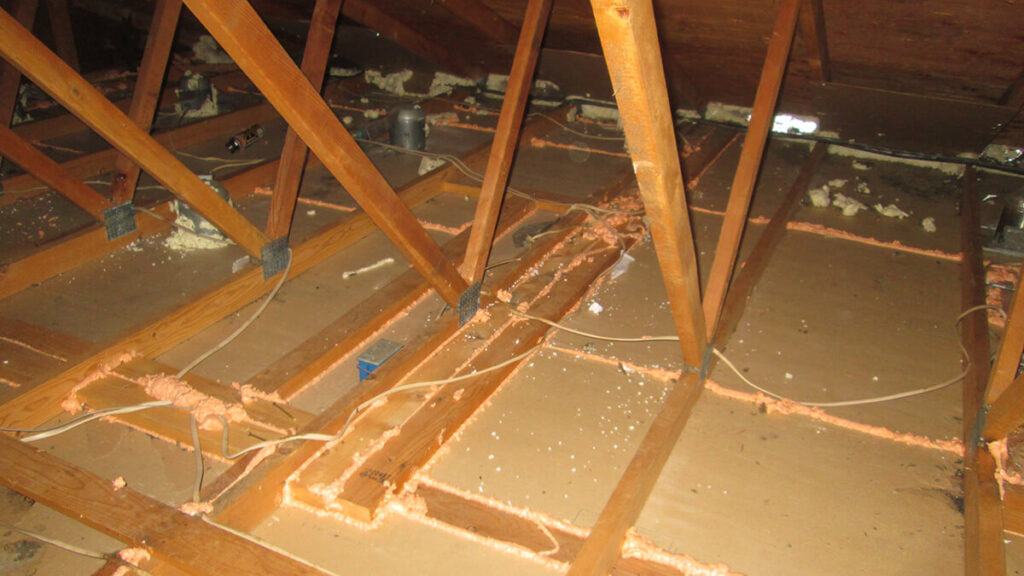
The first goal of most home performance projects is to seal or “tighten” a house to control the separation between interior, conditioned space, and exterior space.
While cold air coming through a leaky window is obvious to many homeowners, less detectable leakage from a home’s crawl space or attic can greatly affect a home’s air quality and efficiency. This less detectable leakage can bring cold, moist, dusty crawl space air into the house as hot air rises from the stack effect or exhaust fans. It can also draw air that has traveled through dust, insulation, and possibly pest contaminants from the attic into the house.
Attic Insulation
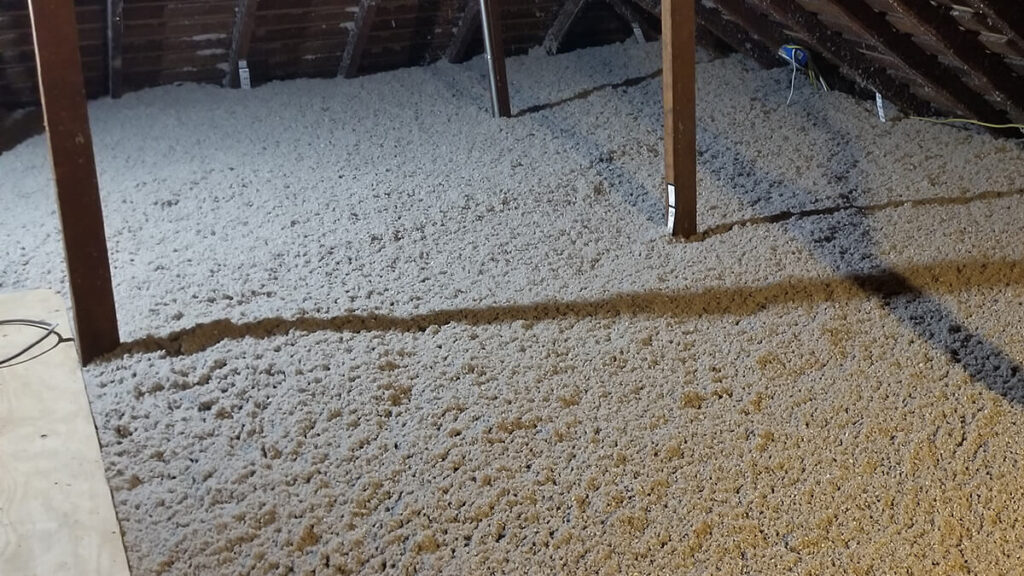
As a home performance and insulation contractor, attic insulation is one of our specialties. We install stabilized cellulose insulation in attics.
When blowing the insulation in, it goes through a wetting system that moistens the material. This step minimizes dust (both for the installer and the homeowner), ensures the material gets into all voids better, and minimizes settling of the cellulose. Additionally, this wetting step improves visibility, maximizing the quality of the installation. We’re one of the only contractors in the area that installs stabilized cellulose insulation.
Before installing insulation in an attic, we ensure there is no active knob-and-tube wiring, air-seal the attic floor, and ensure all ducts are leak-free and correctly sized.

Wall Insulation
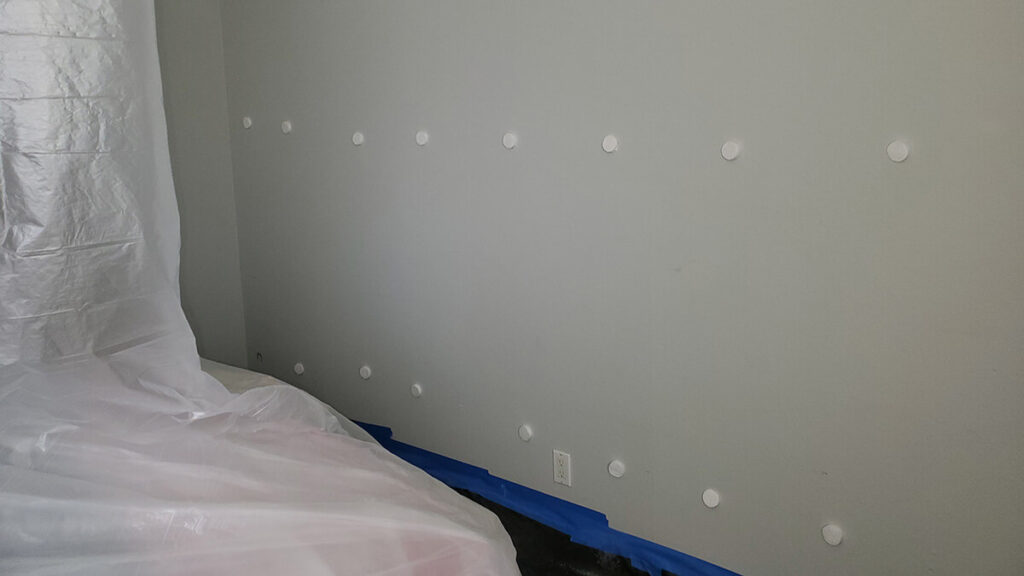
Changing the wall insulation in an existing home is great. It adds a significant amount of insulation, but it does require drilling many holes in the home.
We’ve been building, remodeling, and fixing homes since the 1990s and know a lot about their construction. We don’t recommend drilling holes in the exterior walls, as this can interrupt your home’s moisture barrier. Instead, we drill from the interior, following lead-safe practices. We then install the insulation and patch the holes, ensuring your walls remain safe and dry after insulation.
Since we can’t see the installation happening, we use techniques to ensure our installation is perfect. We install wall insulation using a tube, ensuring proper density throughout and filling all spaces. Without using a tube, insulating an existing wall perfectly is impossible.
Without adequate insulation and sealing, your home can lose valuable heating and cooling, leading to drafts, uneven temperatures, and high energy bills. Create a cozier home that saves on energy costs year-round.
Floor Insulation
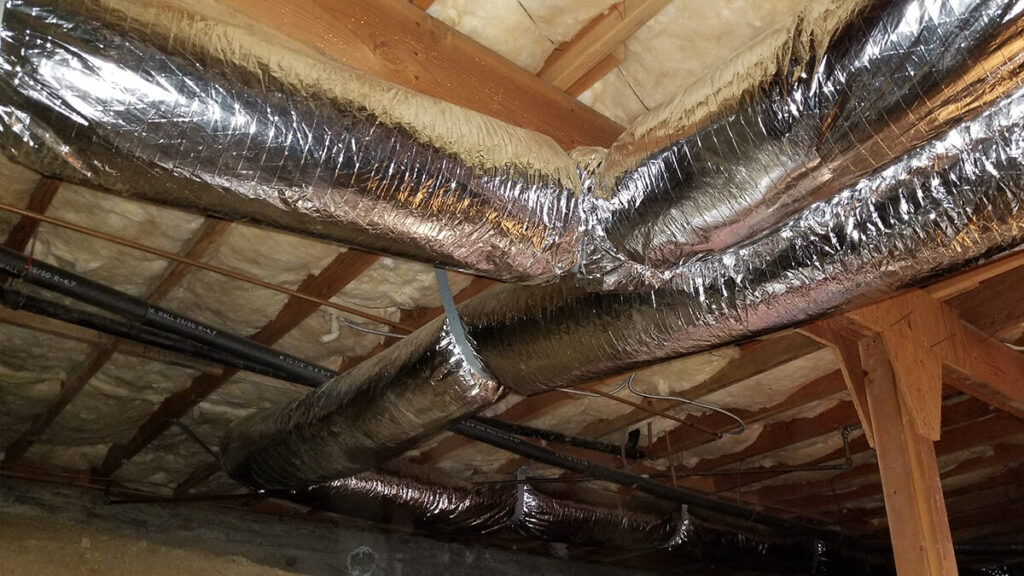
Improving floor insulation is a good option for existing homes because it is non-intrusive.We typically use fiberglass batt insulation for floors.
Another approach is to condition the crawl space with a thick vapor barrier and seal the vents. This way, most heat losses from the duct system return to the home. This step moves the thermal barrier to the earth and along the small exterior concrete walls.
Insulation & Air Sealing FAQs
What does “air sealing” actually mean, and how is it different from insulation?
Air sealing means closing the gaps and cracks that let air move uncontrolled between the inside of your home and the outside ,effectively tightening the house. Insulation, by contrast, slows heat transfer through the materials that make up your walls, attic, and floors. A home can be well insulated and still leak air badly, which is why the two are addressed as separate but related steps.
Why is attic insulation installed with a wetting system instead of just blown in dry?
Stabilized cellulose insulation is applied using a wetting system so the material bonds and settles properly in the attic rather than shifting or leaving gaps over time. It’s a different approach from the loose-fill methods used elsewhere in the house, chosen specifically for how attics perform long-term.
How do you add insulation to walls that are already finished, without tearing them open?
Wall insulation uses a tube-based installation method, which allows insulation to be introduced into closed wall cavities through small access points rather than removing drywall. It’s the approach that makes insulating existing, already-finished walls practical.
Does floor insulation matter as much as attic insulation in a Bay Area home?
It depends on the home’s construction, but floor insulation ,typically fiberglass batt in accessible areas like crawlspaces ,addresses a different heat-loss path than the attic does. Homes with unconditioned crawlspaces below living space often lose comfort and efficiency through the floor in ways that attic work alone won’t fix.
How do you decide which parts of my home ,attic, walls, or floors ,need attention first?
It comes down to where a given home is actually losing conditioned air and heat, which varies by construction era and layout. That’s why air sealing, attic insulation, wall insulation, and floor insulation are each evaluated and addressed as distinct components rather than a one-size-fits-all package.
Can air sealing and insulation be done without a full remodel?
Yes ,the tube-based method for walls and the targeted approach to attic and floor work are specifically suited to homes that aren’t undergoing a full renovation, since they don’t require opening up finished surfaces to get the work done.

Schedule a Free Assessment
Your comprehensive assessment begins with an in-depth call with one of our home efficiency experts, where you can ask all your questions. During our conversation, we’ll ask about your goals, the current setup of your home comfort system, and any time and budget constraints you might have. If you want to move forward with a home evaluation, we can schedule it during your assessment.
"*" indicates required fields